Understanding High Strength Steel
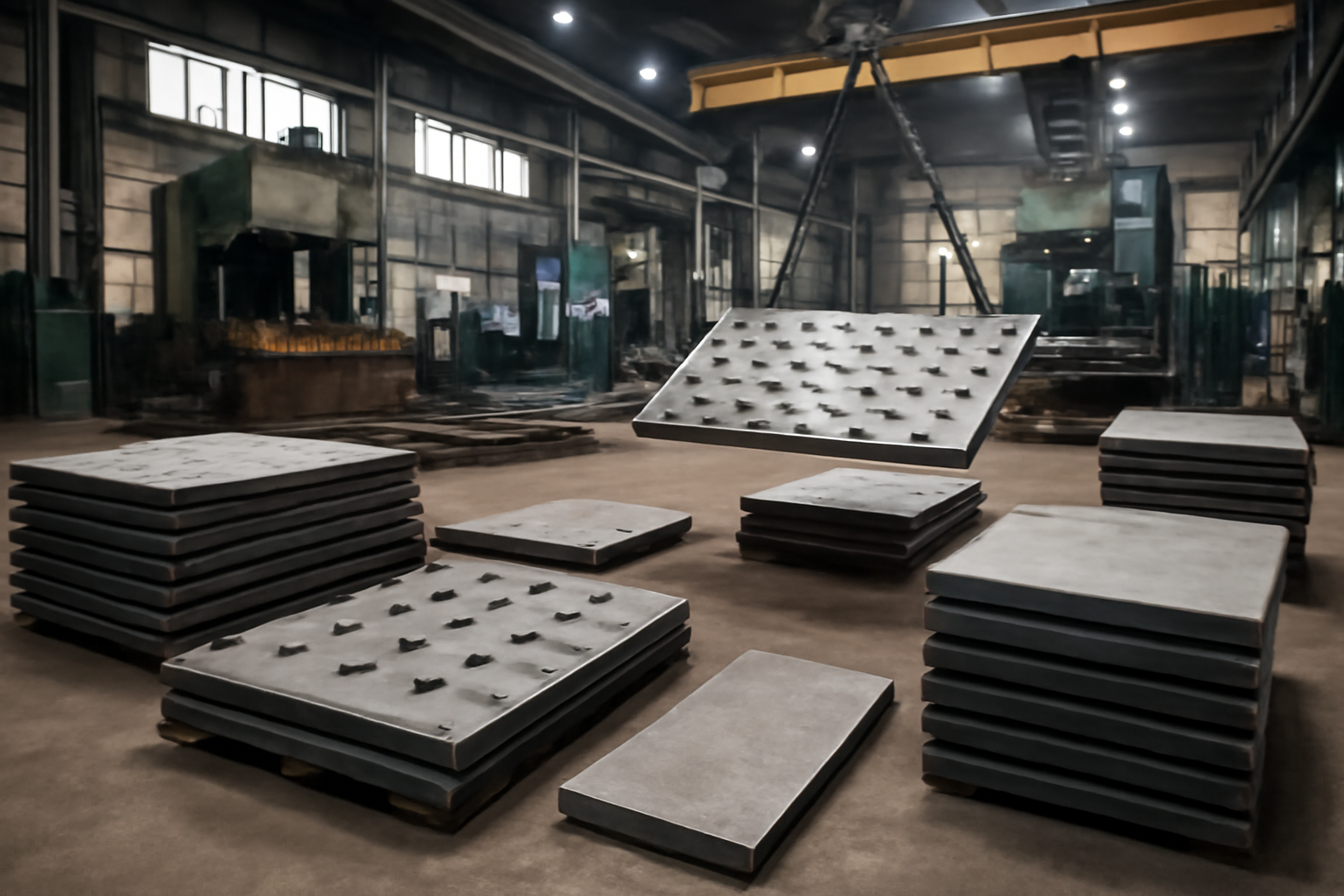
High strength quenched and tempered (Q&T) steels like S690QL and S1100QL are pivotal in modern construction and engineering. They are optimized for structural applications where conventional steel would result in excessive weight without adding value. These steels offer high yield strength and tensile strength, allowing engineers to design lighter, more cost-effective structures without compromising on safety or performance.
The Advantages of S690QL and S1100QL
High strength steels, particularly S690QL and S1100QL, are renowned for their exceptional mechanical properties which include elevated yield and tensile strength, good toughness, and excellent weldability. These properties allow for a thinner material to be used, resulting in weight reduction and cost savings in structural components.
| Property | S690QL | S1100QL | |---------------------------|-------------------------|-------------------------| | Yield Strength (MPa) | 690 | 1100 | | Tensile Strength (MPa) | 770 - 930 | 1200 - 1400 | | Typical Applications | Bridges, Cranes | High-rise Structures, Heavy Cranes |
Applications in Construction
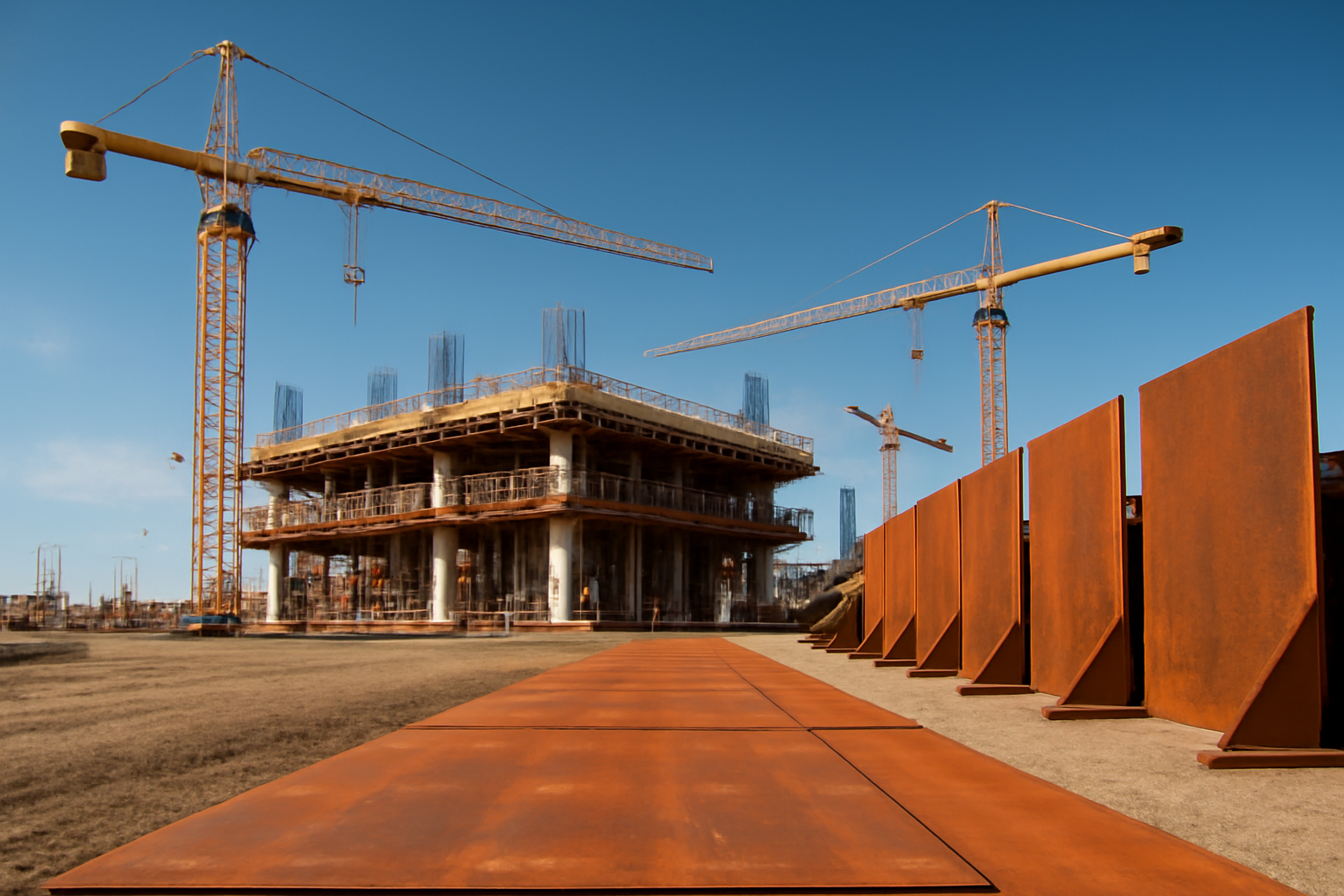
One of the key applications of high strength steels like S690QL and S1100QL is in structural components such as bridges, multi-story buildings, and cranes. For instance, using S690QL in bridge construction allows engineers to reduce the beam dimensions, lowering overall weight and reducing costs. Similarly, S1100QL is well-suited for use in high-rise buildings where load-bearing capacity must be maximized without adding disproportionate bulk.
Cost-Per-Tonne-of-Service
While high strength steels can be more expensive per tonne than traditional structural steel, their cost-per-tonne-of-service makes them a more economical choice in the long run. This is achieved through reduced material requirements and increased longevity due to superior fatigue and wear resistance.
Grade Selection Considerations
When selecting grades such as S690QL or S1100QL, it is imperative to assess the project requirements and environmental conditions. For construction within the GCC where temperatures and environmental factors can be extreme, selecting steels with proven toughness at lower temperatures can be critical to structural integrity.
Fabrication Insights
Fabricating high strength steels requires attention to specific details like welding conditions and post-weld heat treatment (PWHT). It is recommended to use low-hydrogen consumables and welding practices to avoid material embrittlement. Moreover, pre-heating and controlled cooling methods are vital to maintain the mechanical properties of the welded joints.
Conclusion
In summary, high strength steels like S690QL and S1100QL offer significant advantages in construction applications, including weight reduction, improved mechanical properties, and better cost-effectiveness when considering life cycle performance. Engineers and procurement managers should carefully assess the specific requirements of their projects to select the optimal grade, ensuring that both performance and economic goals are met effectively.