Wear and impact resistance are critical considerations in many industries, from mining and quarrying to construction and material handling. Selecting the right wear plate can extend equipment life and reduce downtime. Hardox is a renowned brand in wear-resistant steel, offering a range of grades, each suited to different applications. This guide aims to help you navigate these choices to find the most suitable Hardox grade for your specific needs.
Understanding Hardox Grades
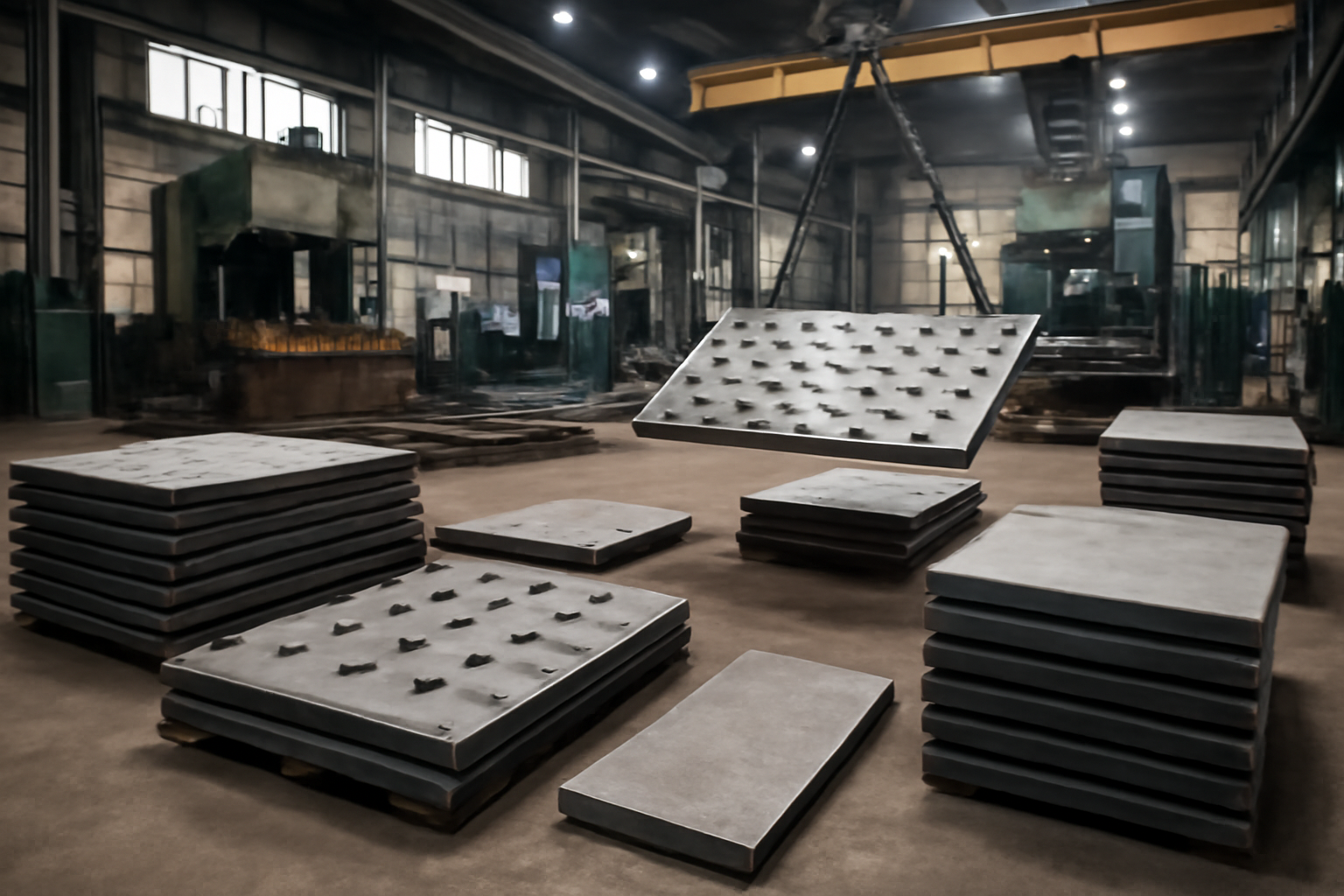
Hardox wear plates are manufactured by SSAB, known for high hardness and excellent durability. The product line includes grades such as Hardox 400, Hardox 450, Hardox 500, and Hardox 600, each with varying degrees of hardness, toughness, and fabrication properties.
- Hardox 400: This grade is a low-alloy, wearing-resistant steel with a nominal hardness of 400 HBW. It balances wear resistance with workability, making it suitable for general wear applications.
- Hardox 450: Offering even greater wear resistance, Hardox 450 has a nominal hardness of 450 HBW. It is ideal for applications requiring higher abrasion resistance but with good cutting and welding capabilities.
- Hardox 500: With a nominal hardness of 500 HBW, this grade excels in heavy-duty wear conditions. It is optimal for equipment subject to high impact and abrasion.
- Hardox 600: The hardest and most abrasion-resistant in the product lineup, it is intended for extreme conditions and applications.
Key Factors in Grade Selection
Application Requirements
Consider the nature of the application:
- Impact vs. Abrasion: Hardox 400 and 450 are often chosen for their balance of impact and abrasion resistance. For more abrasive conditions, consider Hardox 500 or 600.
- Fabrication Needs: If cutting, welding, and forming are necessary, Hardox 400 and 450 can be preferable due to their fabrication friendliness.
Service Environment
The environment plays a crucial role in material performance:
- Temperature: Hardox plates maintain their properties in temperatures down to -40°C, though specific grades may perform better under extreme cold.
- Corrosion: While Hardox is resilient to wear, consider pairing it with a corrosion-resistant material in corrosive environments.
Cost Efficiency
Calculate the cost-per-tonne-of-service. Higher hardness levels reduce wear, potentially lowering long-term costs despite a higher initial outlay.
| Hardox Grade | Hardness (HBW) | Typical Use Case | |--------------|----------------|---------------------------------| | 400 | 400 | Moderate wear environments | | 450 | 450 | Increased wear resistance needs | | 500 | 500 | Severe wear applications | | 600 | 600 | Extreme wear and abrasion |
Conclusion
Selecting the correct Hardox grade requires careful consideration of the application's specific conditions and requirements. By understanding the properties and optimal uses of each plate grade, procurement managers and engineers can ensure they choose a material that balances performance with cost-effectiveness. Consult with Axicor DWC LLC for expert advice and precise matches to your industrial needs.